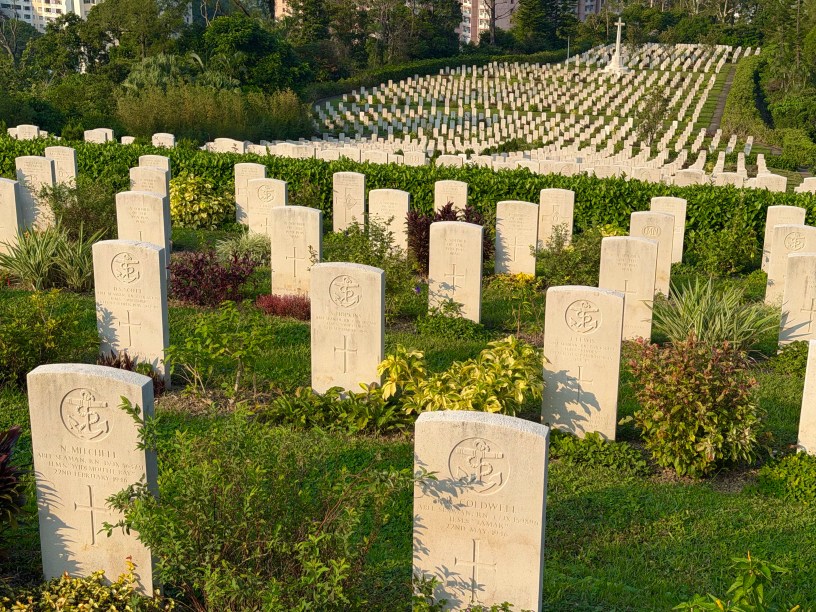
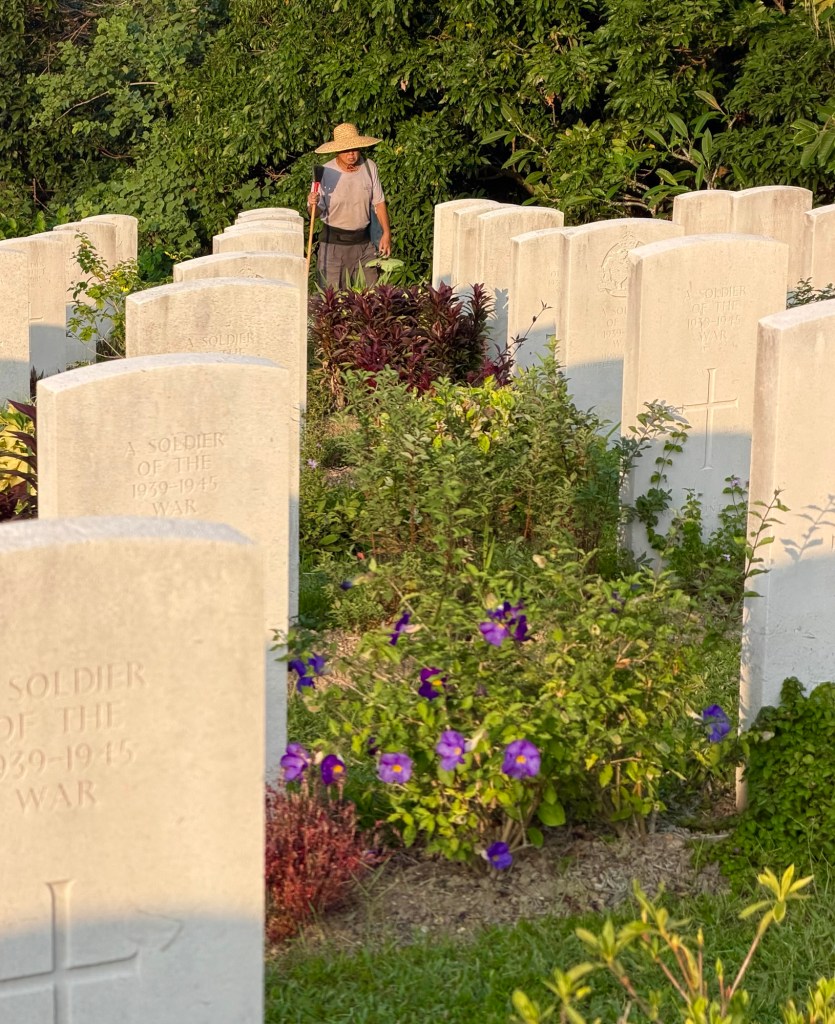
I have been to Commonwealth War Graves Commission cemeteries in several countries*. They are special places, with beautifully tended lawns and gardens conveying a sense of space, solitude, and peace. And filling the space there are, of course, the Commission headstones … dozens, hundreds, thousands, in perfect rows stretching and undulating ahead of you as you wanderーand wonder. Mostly, CWGC cemeteries have been designed in such a way that they look full and complete, marking an event that has been and gone. There are no unsettling empty areas, waiting to be filled. And rarely do I (or we, with my family) have companyーit’s remarkable how I so often feel as though I have the place to myself. Maybe a resident caretaker at work in the distance. And as long as you are discreet, there is little stopping you from even having a quiet cuppa and a sandwich ‘honouring the dead’ just by being there (maybe not the full picnic!).
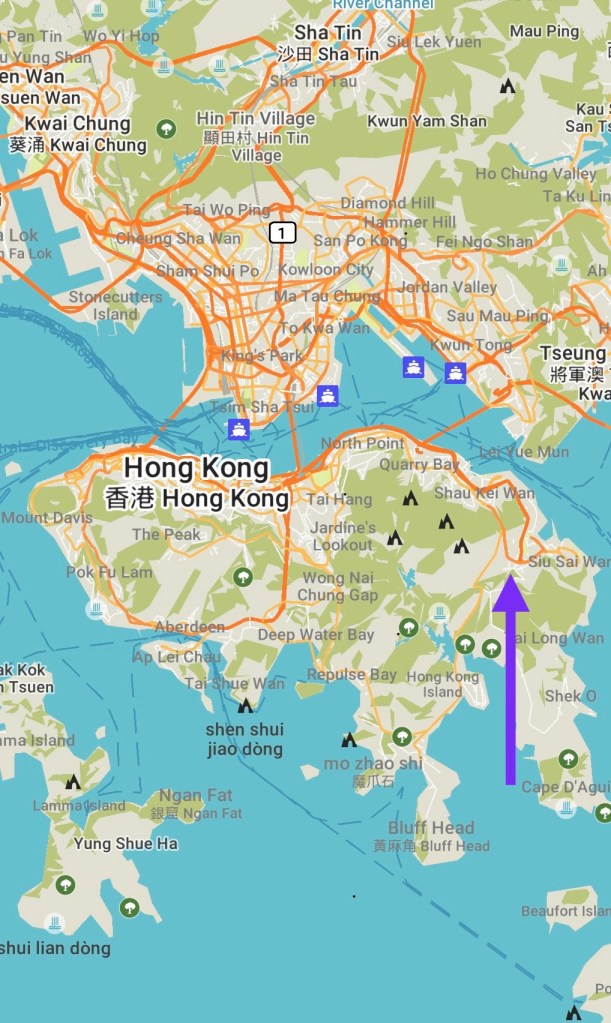
Sai Wan War Cemetery is a bit out of the way. In a city with the world’s best public transit system, it was the only time I took a taxiーalthough when it was time to leave I worked out that there was actually a metro station just a short walk away. For sure, the taxi driver had a hard time working out where I wanted to go. The CWGC website tells you that the cemetery is on a busy main road; in fact, not busy at allーit just doesn’t have much of a verge to walk up. And, Yes, keep an eye out for snakes (vipers in Hong Kong).
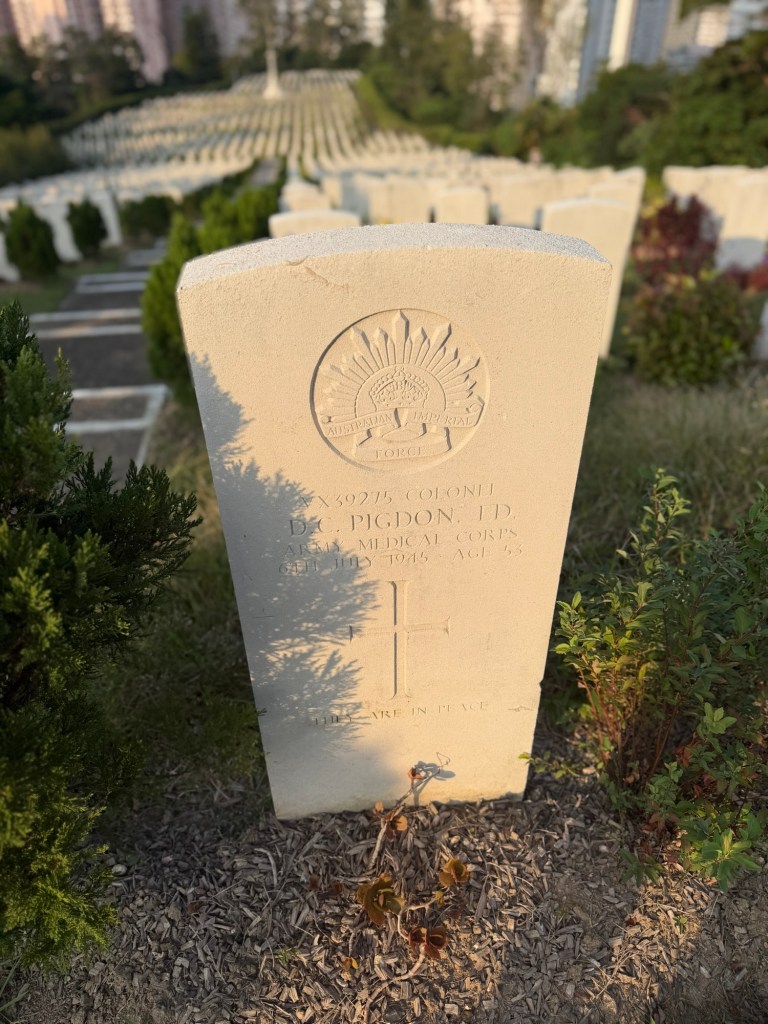
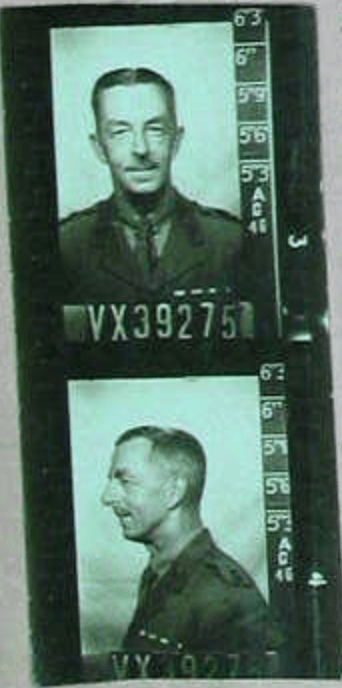
Wandering is the best way to do it. Some come, of course, to find lost relatives. But what I also like to do is discover a medical doctor or two and then find out more about them. It didn’t take me long to wander by the grave of VX39275 COLONEL D.C. PIGDON, ED. | ARMY MEDICAL CORPS | 6TH JULY 1945 AGE 53.
Most people have never heard of the Battle of Hong Kong in WWII. It was overshadowed by Pearl Harbor, happening on the same day (7/8 December 1941) of the Japanese attack on the U.S. Pacific Fleet, as well as simultaneous attacks on Singapore, Malaya, and the Philippines. Pearl Harbor was over in a few hours. The defence of Hong Kong lasted until Christmas Day with the surrender of the British command. And as far as Australia was concerned, it was mostly an affair of other Commonwealth nations, particularly Indian and Canadian regiments as well as the British, plus not a few local Chinese participants. Well over a thousand killed. And you may notice that Colonel Pigdon survived until 1945, i.e. unlike almost all others interred in this cemetery he didn’t die during the defence of Hong Kong. In fact, he didn’t even serve in Hong Kongーhe was what genealogically might be called a ‘stray’, buried far from where he died.
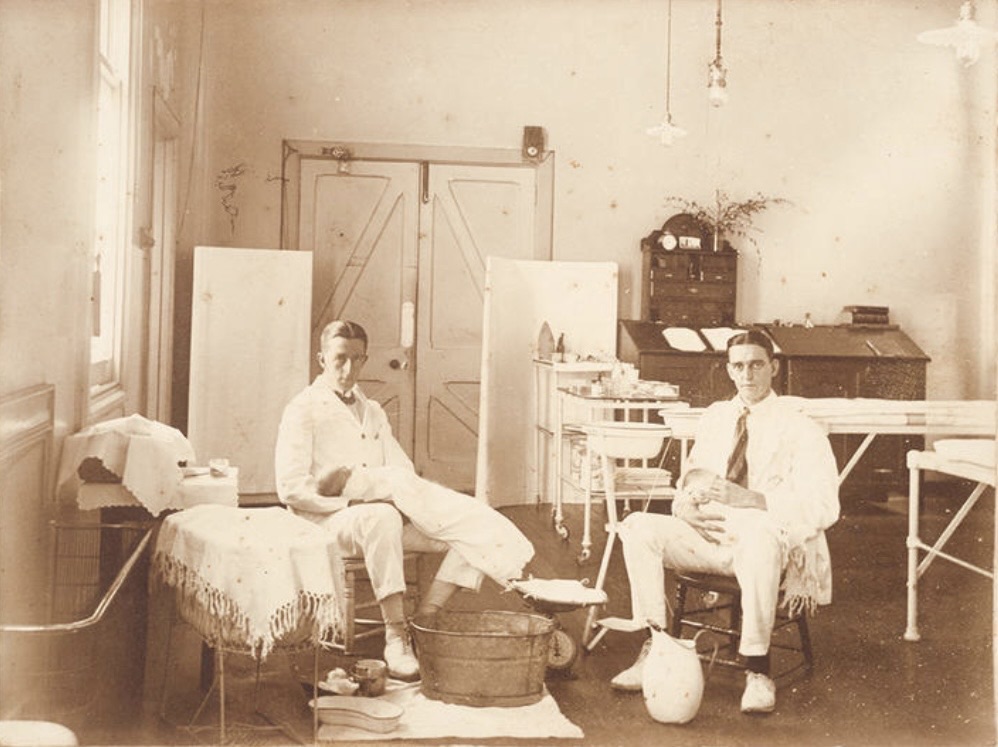
My interest in Colonel Pigdon was increased when I later found out that we share two alma maters (okay, almae matres)ーour high schools and the Medical School of the University of Melbourne (the latter, for both of us, then known as the Faculty of Medicine). Born in Melbourne in 1891, Pigdon servedーfresh out of medical schoolーas a medical officer in the A.I.F. in Egypt and France in the Great War. On return to Australia, he got married and it seems initially lived in Heidelberg, with a country home Blaaden in Yarra Glen. In the mid-1920s the Pigdons travelled to Britain where Douglas qualified FRCS. Back in Melbourne he lived in Mentone and was employed as a medical officer at Heatherton Sanatoriumーpresumably paying the bills with private consulting on the side. Records show that from the late 1930s he had a property Oatlands in Narre Warren.
The inscription on Colonel Pigdon’s headstone includes the award “ED.”ーEfficiency Decoration, a long-service military decoration awarded to part-time commissioned officers in the auxiliary or reserve forces of the British Empire and the Commonwealth. Military headstones only include military awardsーno mention of medical postnominals.
Tabloid newspaper reports reveal that his wife Beatrice (“Mrs Douglas Pigdon”) was quite the socialite, entertaining ladies in the bridge room at Melbourne’s Quamby Club, a private social club that catered to visiting country women.
In 1940, Dr Pigdon enlisted with the 2nd A.I.F. He was promoted to Colonel and assigned to command the 13th Australian General Hospital being formed in Melbourne. We’re talking about a deployable military hospital here. Think rows of tents, mobile operating theatres, portable cots and field stretchers, crates of X-ray machines and other medical equipment, and thousands of packages of army rations. Before long the 13th was off to Singapore aboard a hospital ship, then subsequently relocated to Tampoi in Johore on the Malayan mainland. With the rapid advance of Japanese forces down the Malay Peninsula, Colonel Pigdon and his staff, and the accumulating hundreds of patients under their care, soon found themselves back in Singapore, the retreating allied forces in a hopeless situation. Imagine having to move the sick and wounded in those tropical wartime conditions.
With the surrender to the Japanese on 15th February 1942, Colonel Pigdon was taken prisoner of war and sent with a party of mostly British officers to Formosa (Taiwan) and, later, after joining a much larger contingent of American PoWs from the Philippines, transported to Japan. Almost a year passed before Australian authorities were informed of his existence through Radio Tokyo, and another two years before the next report of his whereabouts. Meanwhile, Pigdon and over a thousand other service men had been taken from Japan to Mukden, Manchuria where they were quartered in a temporary camp. Then in July 1943 they were transferred to Hoten Camp, Mukden where they remained for the next two years. And you can again imagine the conditions in which they lived, worked and suffered, including winter temperatures way below zero. Pigdon was one of four allied doctors assigned to work alongside a single Japanese doctor in the camp hospital.
After three years a prisoner of war, Douglas Clelland Pigdon succumbed to the deprivations of PoW camp existence. He died on 6th July 1945, a little over a month before the Japanese surrender. It was another eight weeks before his wife was informed of his death and the matter reported in Australian newspapers (the informant having been Major General Cecil Callaghan, himself a PoW at Mukden). The cause of death recorded in Pigdon’s Service Record is “cerebral tumor”ーto me a rather dubious diagnosis when one considers the setting and the complete lack of diagnostic opportunity … perhaps more likely meningitis or brain abscess or even a systemic infection such as typhoid.
So, why Hong Kong? Following the liberation of Mukden by the Soviet army in August 1945 (an American parachute unit actually got in first), the remains of PoWs buried in the camp cemetery were identified and exhumed and reinterred elsewhere in permanent military cemeteriesーin Colonel Pigdon’s case, Sai Wan War Cemetery.
*Turkey, Greece, Israel, France, Belgium, Australia, Tanzania
Date visited: 30 October 2026
Images source: authorーunless stated otherwise
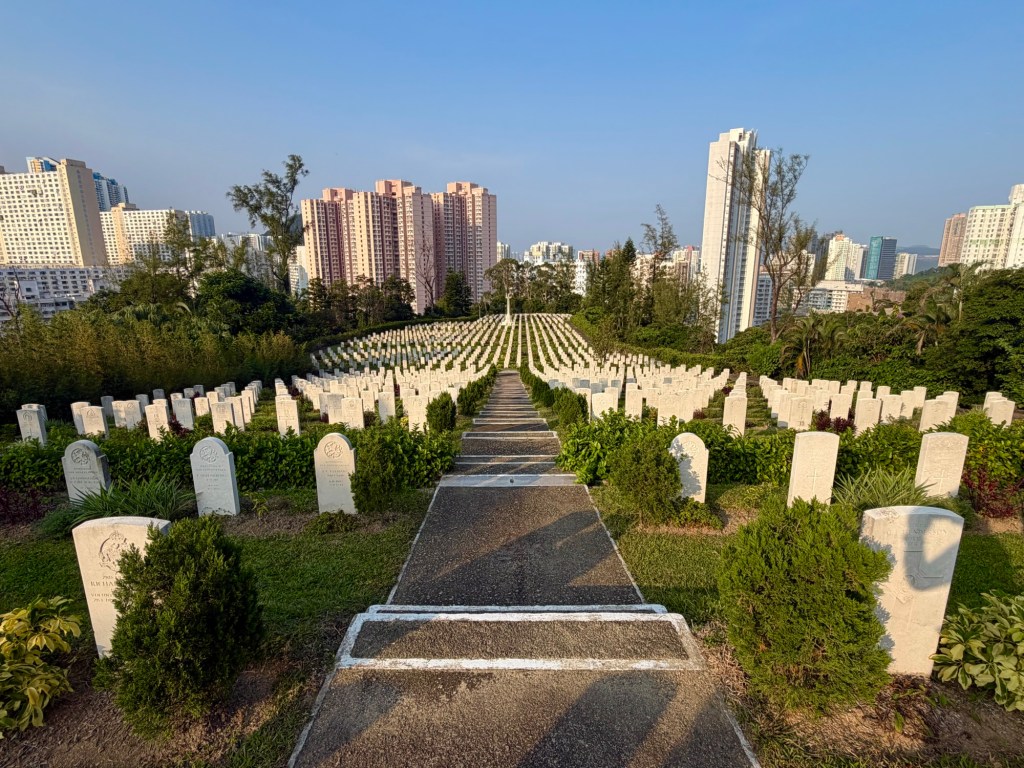
Travel tip: Sai Wan War Cemetery can be reached using Hong Kong’s highly efficient metro rail (“MTR”), from the downtown area to Chai Wan at the end of Island Line. From there it’s a shortish walk or hop on a bus to the cemetery. Elsewhere in Hong Kong Island is the Stanley Military Cemetery, about which I shall write something soon. Douglas Pigdon is also remembered at the Australian War Memorial in Canberra and at the Australian Ex-Prisoners of War Memorial in Ballarat. Mukden PoW camp is today a museum, Shenyang WWII Allied Prisoners Camp Site Museum (I haven’t been there).
Map coordinates: 22.2586°N, 114.2342°E


That is a great little write up, and I’m sure that if there are any Pigdon relatives out there, they would be very pleased to hear about there forebear, and that you write about him in such a sympathetic way.
LikeLike
Got it, made a comment :)
LikeLike