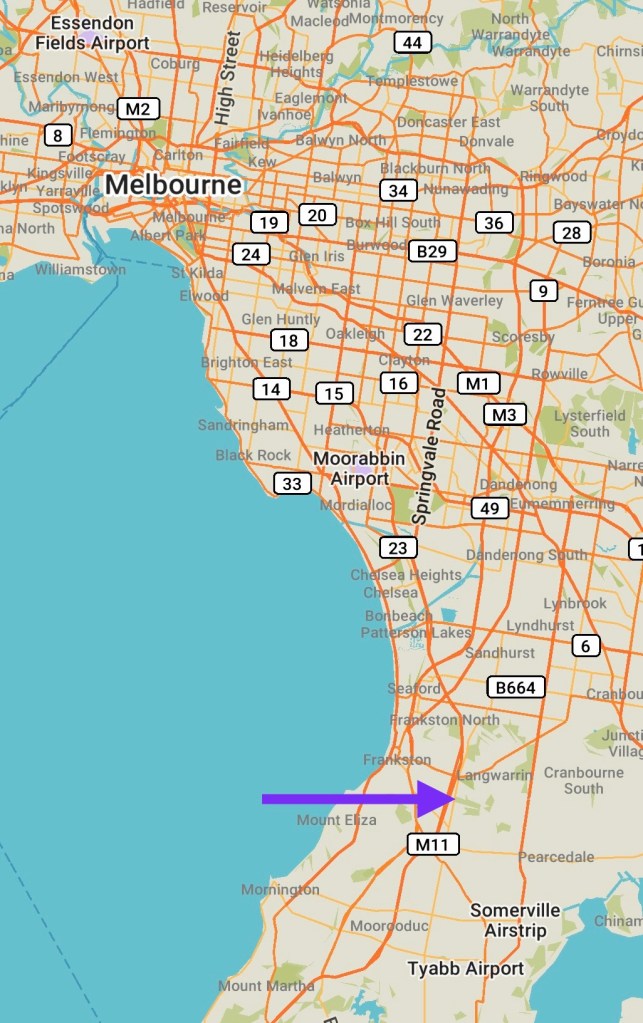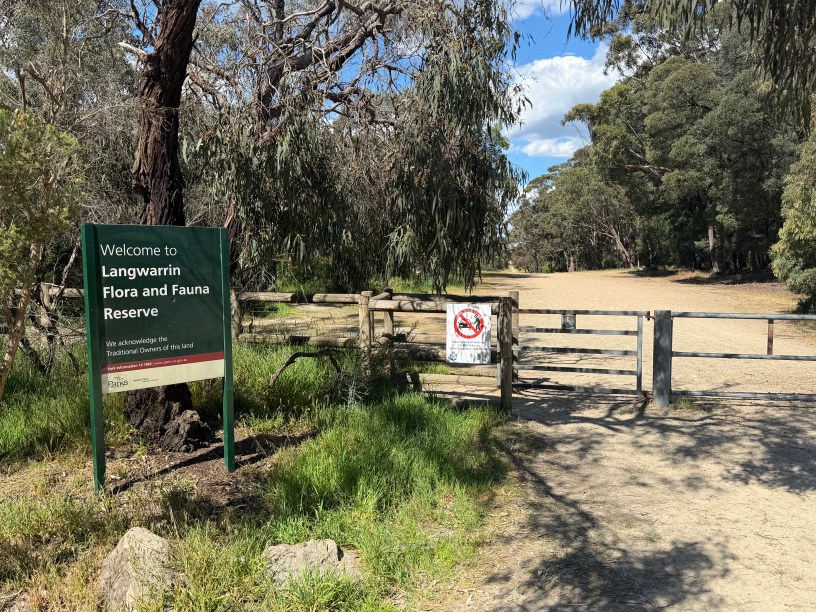
There isn’t much to see here in the way of military relics or heritage-listed buildings. In times past a crowded and busy military training camp, today it is known as Langwarrin Flora and Fauna Reserve. Mostly, it’s a pleasant place to walk or cycle and contemplate what the scene was like over a hundred years ago.
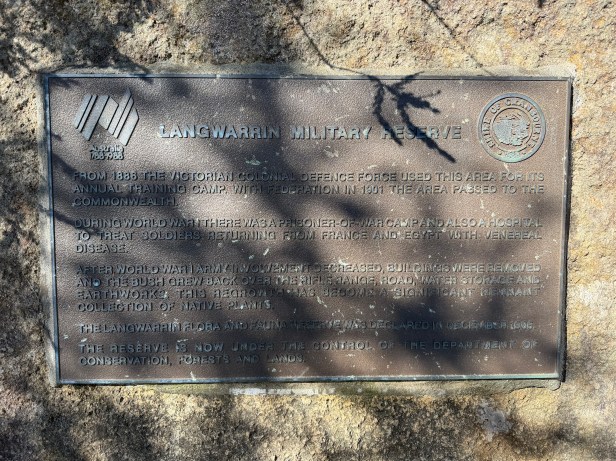
In 1854, the first Victorian colonial citizen forces were raised, with facilities of all sorts constructed around the state, all serving a demand for what in today’s parlance we know as homeland security. Among these facilities, the Langwarrin Military Reserve was established in 1886 here at Langwarrin, an outer suburb southeast of Melbourne. It was situated with its own railway station on the newly constructed Stony Point Line (the station was closed and demolished in 1981).
It’s hard to believe now as you wander around, but back then the area was deemed to be a strategic elevated location for the defence of Melbourne from seaborne attack (I think it was the Russians who were considered to be the main threat). Prior to the 1914-18 Great War, the reserve was used mainly for temporary encampments and training of volunteer units, the most famous of which being the Lighthorse Brigade prior to deployment to the Boer War (1899-1902). On the outbreak of the Great War the reserve was used for the detention of enemy aliens (predominantly Germans but also Austrians, Turks and even Bulgarians) and from 1915 a military hospital for returned soldiers with venereal disease was established. Thousands of once-frisky, now-suffering diggers passed through the camp.
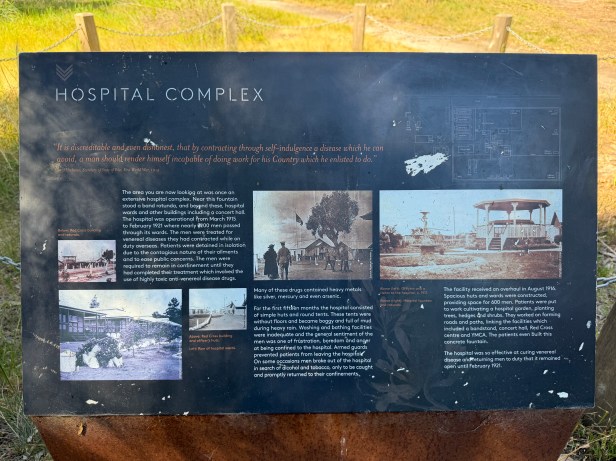
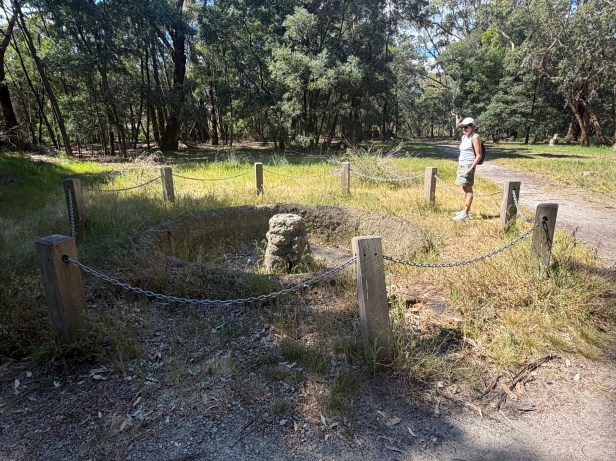
Inside the entrance to the Reserve there is a useful info board on the general history of the military camp. Immediately off to the right, about 100 metres along a trail, we came across the concrete remains of a fountain which, as far as we could tell, is all that remains of the hospital (maybe also some foundations here and there in the scrub). Near the fountain there is another useful info board, this one offering a brief explanation as to why the afflicted soldiers were “required to remain in confinement” and face compulsory “highly toxic” treatment. A big part of it all was the need to protect the general public from thousands of VD-infected young men. As well as receiving treatment, the soldiers were effectively in enforced isolation. And the range of extra-curricular activities prescribed for the men suggests that they were stuck there for a long time. The final statement was particularly notable: “The hospital was so effective at curing venereal disease and returning men to duty that it remained open until February 1921”. But I was curious to explore the other end of the journey ー the bit that happened before the soldiers were repatriated back to Australia.
To assist me in this task I went straight to the top, consulting the Official History of the Australian Army Medical Services 1914-1918, Volume III, Section I, Chapter III – The Venereal Diseases in the War of 1914-18. An early statement set the scene:
“Venereal disease was a cause of medical concern in the war, and is a subject of study in its medical history, in three main aspects. First, as it influences the achieving of victory; second, as it menaced national health and the national amour propre; third, as a scientific problem in preventive and clinical medicine.”
Focussing on the third aspect, three conditions are highlighted: syphilis, gonorrhoea, and chancroid (‘soft chancre’). No surprises there. All three conditions could be reasonably diagnosed on clinical features with simple microbiological tests, including dark ground microscopy for syphilis and gram stain for gonorrhoea and chancroid (serology for syphilis ー Wasserman reaction ー had not yet become established at this time). Other conditions that might be encountered included warts, trauma, lymphogranuloma venereum (causing massive painful inguinal buboes), and the various presentations of ‘non-gonococcal urethritis’, a term that had been coined well before the war (later known as ‘non-specific urethritis’) and of which the main cause we now know to be Chlamydia.
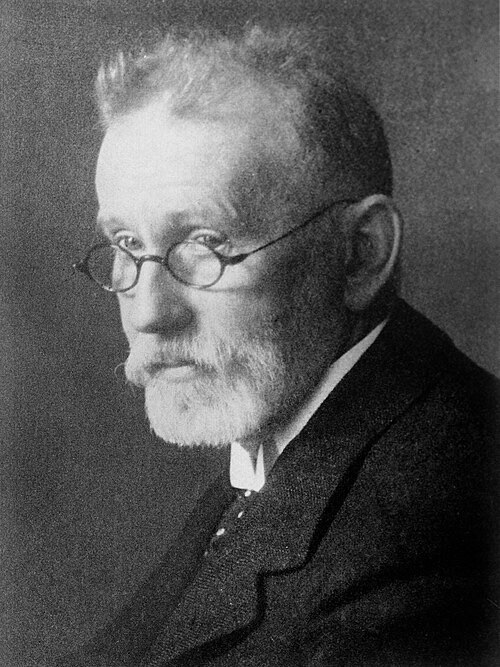
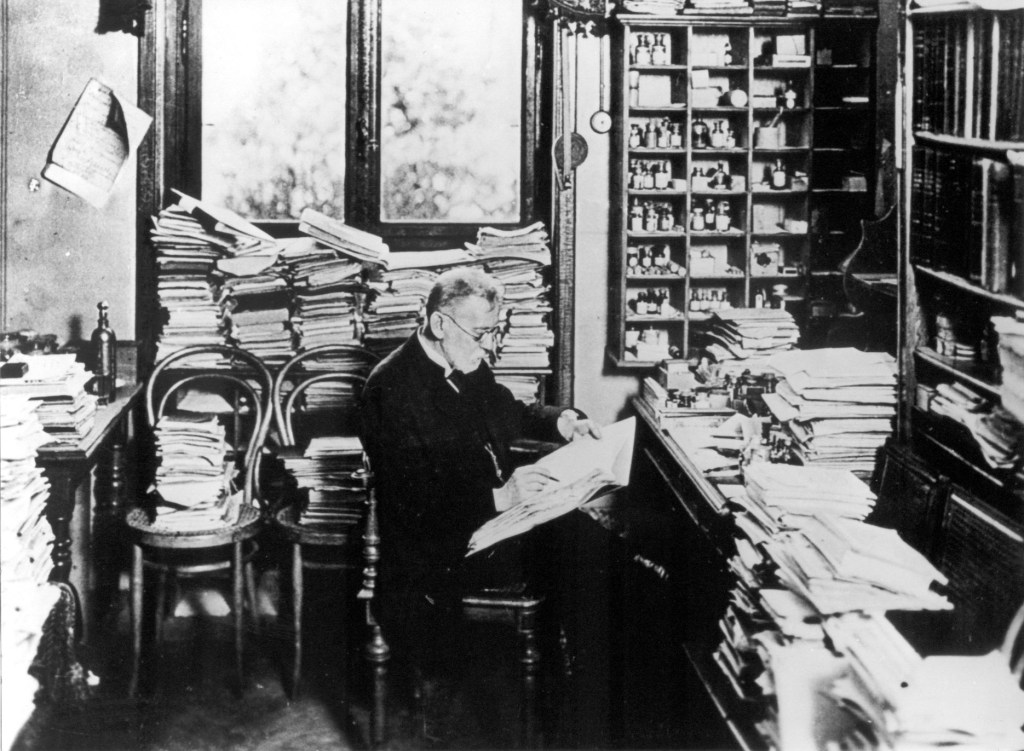
The experience of Australian soldiers in the early part of the war was not just one of military tragedy in Gallipoli but also rampant venereal disease in Egypt. By the time the Australian contingents joined the main theatre of war on the Western Front in 1916, something had to be done. Under the esteemed leadership of General Neville Howse, a wide-ranging and far-reaching strategy (labelled an “experiment”) for the prevention and control of venereal disease in Australian soldiers was instituted. A key facet of the strategy was the establishment of “Early Treatment Depots” ー also known as “Blue Light Depots” on account of the blue light displayed outside. Depots were set up near the action ー sexual, not military. Following a sexual encounter (typically with a prostitute), soldiers were expected to attend the nearest depot immediately, day or night, for what today would be known as “post-exposure prophylaxis”. For gonorrhoea, it was a painful injection of a silver salt (the best apparently being Argyrol) into the urethra; for syphilis, an external application of calomel (mercurous chloride) ointment. If a soldier later developed symptomatic VD, he would be admitted to a dedicated hospital for “abortive treatment” and if this failed, longer-term treatment, which at the time meant weeks or months of systemic arsenic compounds like Salvarsan, mercury rubs, or painful bladder irrigations. Whilst some syphilitic patients manifested the signs of secondary disease, tertiary syphilis seems to have been uncommon. A high proportion of gonorrhoea patients developed complications such as urethral stricture.
Ultimately, greater than one in ten Australian soldiers developed venereal disease per annum and many of these were repatriated to Australia and on to Langwarrin.
Date visited: 18 October 2026
Images source: author – unless stated otherwise
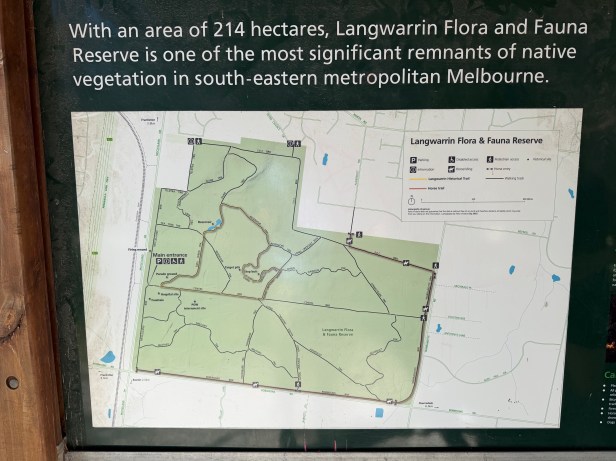
Travel tip: The reserve is a short side trip from the main motorway down the Mornington Peninsula. And there are many good reasons to head down this way.
Map coordinates: 38.1727°S, 145.1672°E