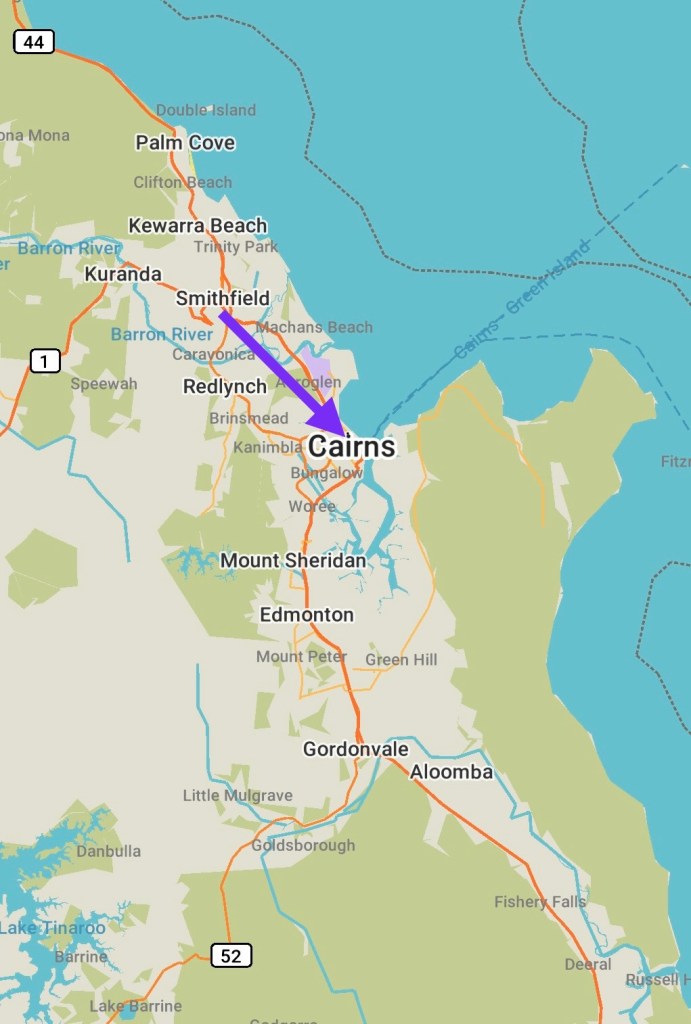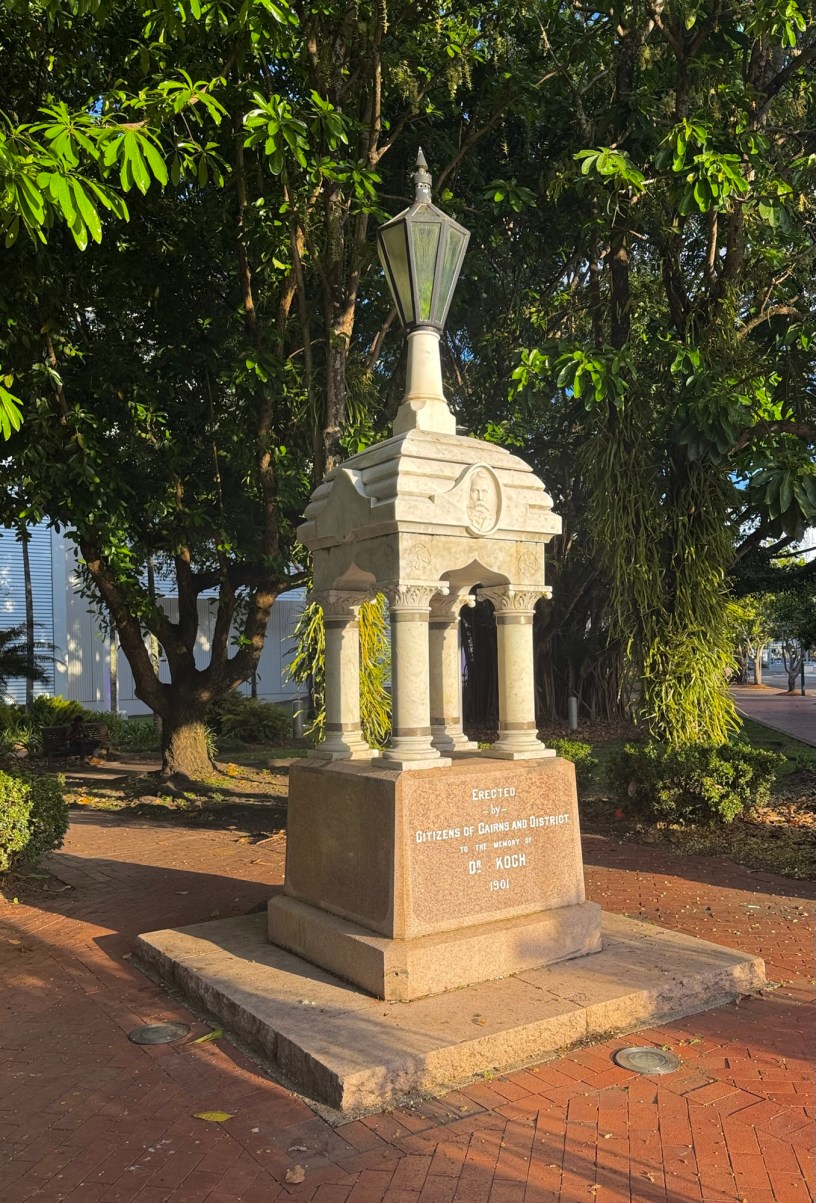
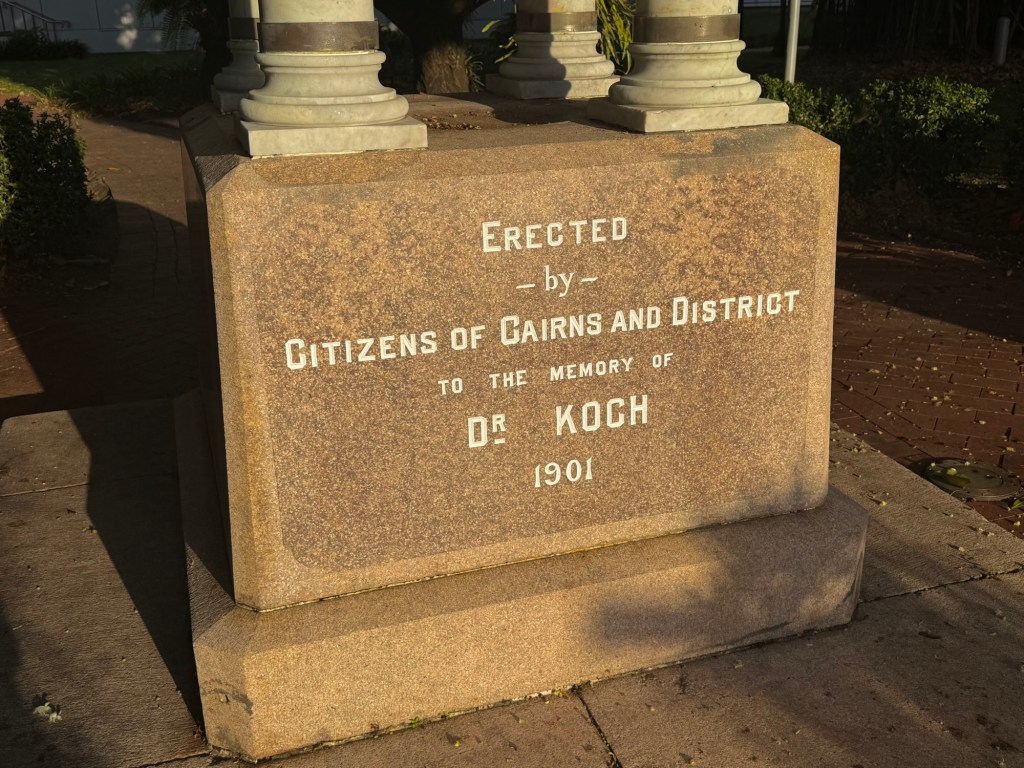
While out for a stroll in Cairns, pushing our grandson along in his stroller, beneath the coo-cooing of imperial pigeons in the trees above, we strolled up to this little monument at the corner of Abbott and Spence Streets … and I was astounded to find that it was built in honour of Dr Koch. Really? In a quiet corner of a sleepy little park in Cairns CBD, Australia? Is this who I think it is? The inscription on the plinth says,
ERECTED
-by-
CITIZENS OF CAIRNS AND DISTRICT
TO THE MEMORY OF
DR KOCH
1901
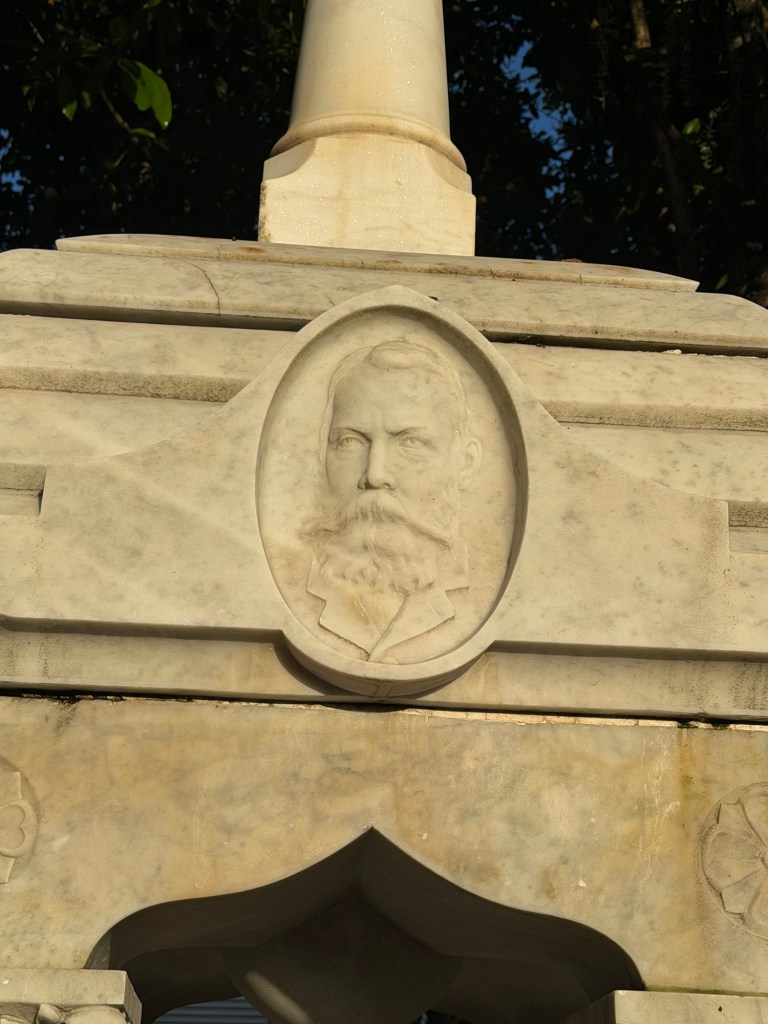
Okay, the date is about right (turned out that it wasn’t). The monument itself is interesting, resembling a small classical pavilion or shrine, rather than a conventional obelisk or statue on a plinth. And on the upper canopy structure there is a medallion featuring a relief carving of the good doctor, which, as far as I could recall, more-or-less resembled the Dr Koch I had in mind (mind you, all great white men seemed to look the same in those days).
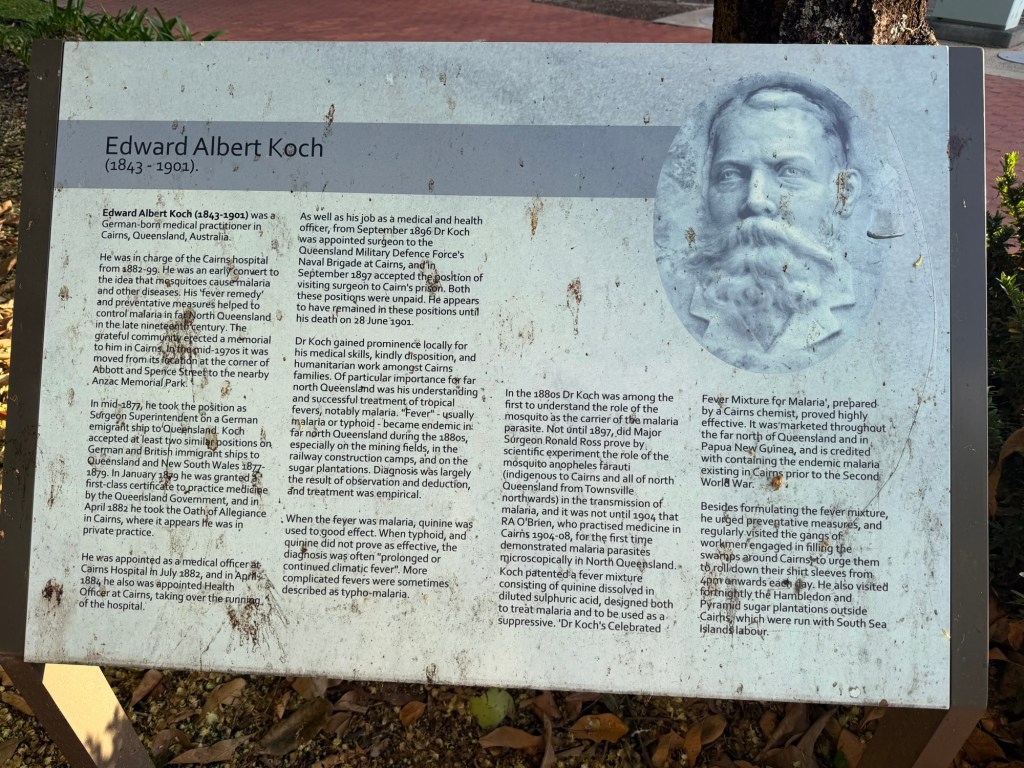
We circled the monument, looking for a bit of intel on why/who on earth is being commemorated here ー nothing extra to see. But over to the side near a garden bed sat the solution to our conundrum: an info board all about Cairns’ Dr Koch, not the Dr Koch I had in mind ー Dr Robert Koch (1843-1910), the extremely eminent German discoverer of the tubercle bacillus and after whom was named Koch’s postulates and a whole lot of Straßes and other things. Koch is a common name in Germany.
Dr Edward Albert Koch (1843-1901), on the other hand, was a much respected and valued German physician in far north Queensland in the latter years of the 19th century. The info board tells it all: ship’s doctor, administrator, medical officer, malaria researcher … and an enterprising early adopter of quinine as a treatment for “fever” presumed to be malaria ー although, at the time, the differentiation of one cause of fever from another was rather speculative … treatment was “empiric”, to put a kindly spin on it. But most of all, Dr Koch was clearly a curious and industrious public health physician and humanitarian. The people honoured him appropriately. The monument was erected a couple of years after his death, the commemoration presided over by the state Governor who would have journeyed all the way up from Brisbane on a slow coastal steamer.
As the info board indicates, typhomalarial fever (“could be typhoid, could be malaria”) was a serious concern in northern Australia in colonial times. Malaria was mostly introduced in indentured labourers arriving from Pacific islands to work in mines and plantations. The combined presence of the Anopheles mosquito and large numbers of workers exisiting in hot crowded conditions allowed malaria to persist in northern Australia until the 1950s. Typhoid was mostly a problem of contaminated water sources, particularly in dry conditions where unsanitary practices could easily foul a single well or natural source relied upon by many people. Clinically, the challenge lay in the phenomenon that both diseases caused high fevers that could persist for days or weeks before death or recovery (perhaps, in the case of malaria, with the help of quinine ー there was no effective treatment for typhoid). Both conditions were common, serious and typically shared a number of other clinical features.
A final mark of the esteem in which Dr Koch was held was the fact that his monument was left untouched during the 1914-18 Great War ー a time when anything Germanic was either changed, torn down or interned.
Date visited: 23 October 2026
Images source: author – unless stated otherwise
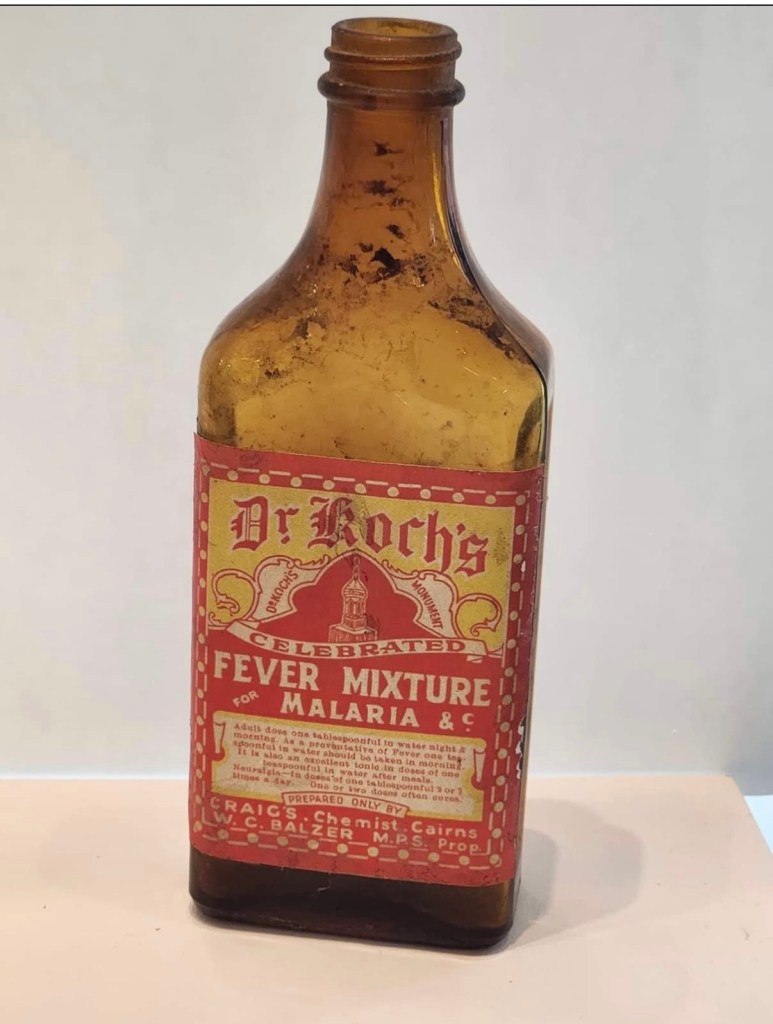
of panacea creep ー the transition of a legitimate drug into an unsubstantiated wellness product. The product continued to sell well for years after Dr Koch’s death. (Cairns Museum)
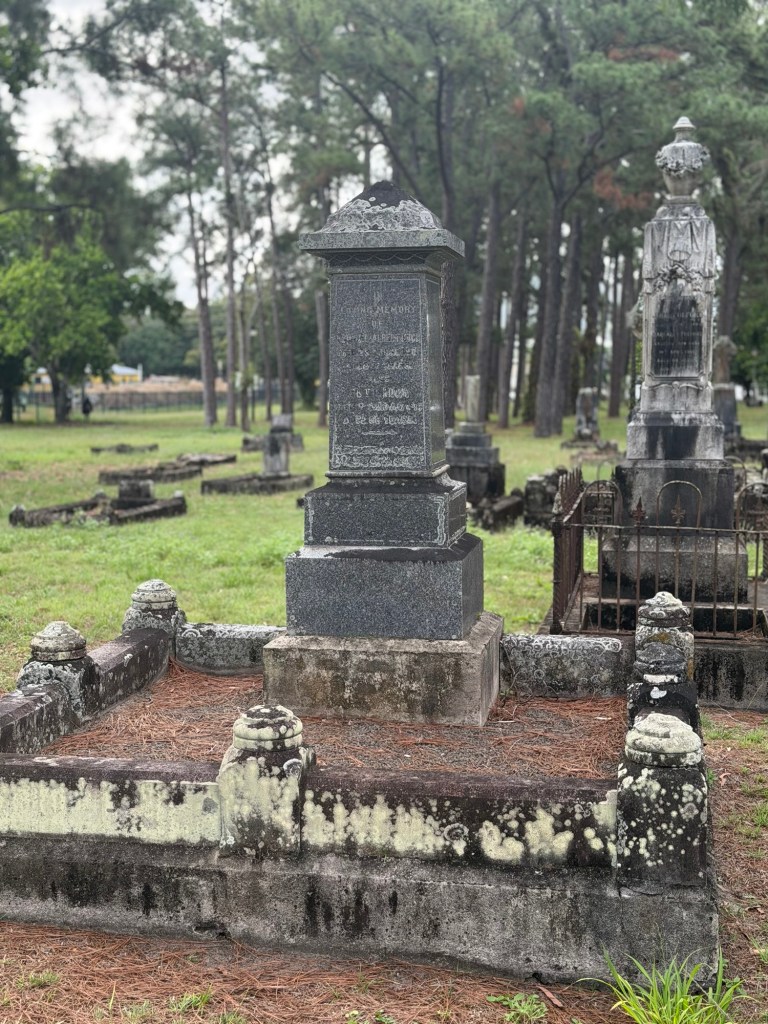
Travel tip: A short stroll from the monument is the Lagoon, in this blogger’s opinion the world’s best free swimming pool.
Map coordinates: 16.9230°S, 145.7785°E