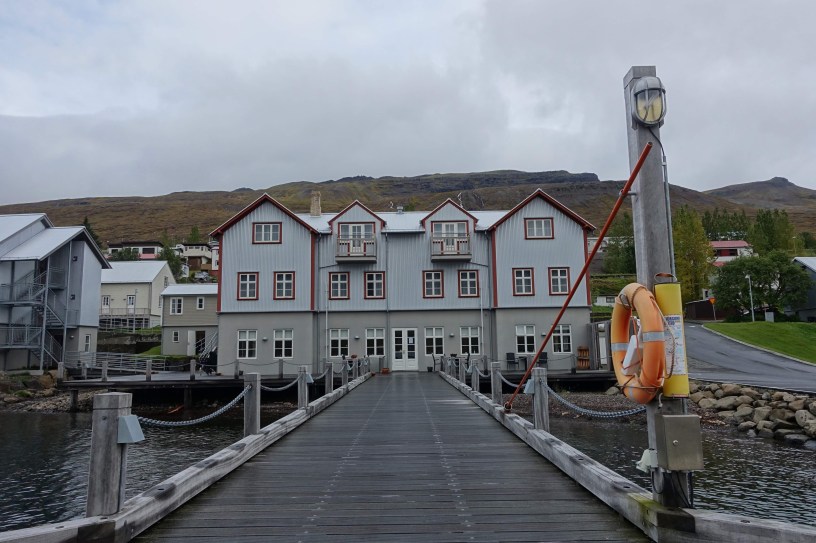
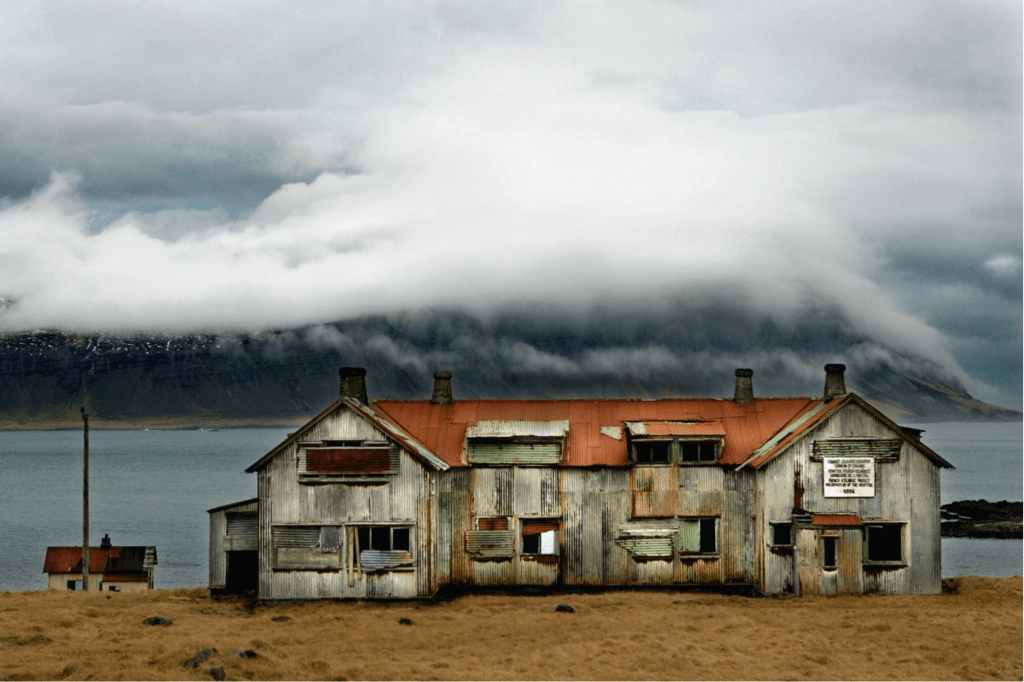
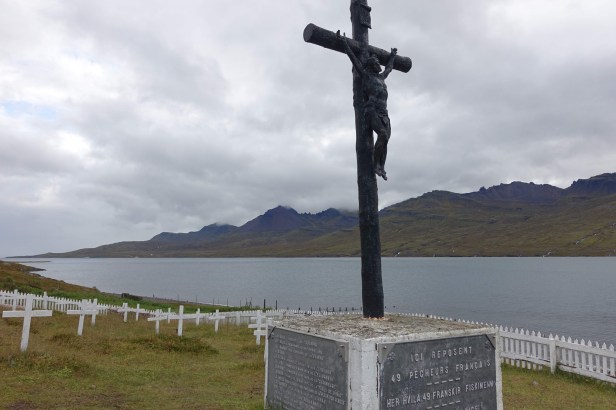
For over three centuries to the first half of the 20th century, the chilly seas surrounding Iceland were fished by sailors from the northern coastal towns of France – most notably the port of Gravelines. Over the years, hundreds of ships were lost and thousands of sailors drowned. And a lot of fish were caught. In 1903, a hospital was built for French sailors in the village of Fáskrúðsfjörður, deep within a fjord on the southeast coast of Iceland. First the Great War then the Second World War brought a halt to these fishing expeditions and, despite the efforts of the town to keep the hospital in use, it had to be closed and was cut up and moved to the other side of the fjord to be used as residential accommodation. By the 1980s, the main building had been abandoned and remained as such for more than 30 years. From 2009 to 2014 the buildings were restored, renovated and removed to their original and current location in the village, with the hospital building itself, a chapel, an older infirmary and the doctor’s house completing the complex. The Hospital is now a smart hotel and the Doctor’s House a fascinating museum on the other side of the street. Charmingly, the museum continues downstairs along a tunnel under the street, connecting the house with the hospital. The entrance to the museum is from the hotel reception area in the Doctor’s House.
Date visited: 15 September 2019
Images source: author – unless stated otherwise
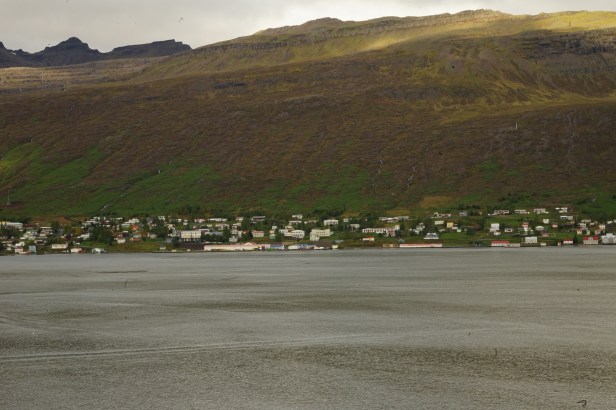
A tip for your visit: Take a two-week self-guided road trip around Iceland and stop in Fáskrúðsfjörður on the way.
 History of Medicine Traveller